

Managing Perfectionism: When High Standards Become Harmful
Perfectionism often feels like a badge of honor, especially for professionals who pride themselves on high standards and a drive for success. But when those high standards become rigid or impossible to meet, perfectionism can shift from being a motivator to a source of stress, burnout, and self-doubt.

Understanding Eating Disorders: Anorexia, Bulimia, Orthorexia, Binge Eating Disorder, OSFED, & ARFID
By learning about common eating disorders—Anorexia Nervosa, Bulimia Nervosa, Orthorexia, and Binge Eating Disorder—we can break these myths and build greater understanding and compassion. If you or someone you care about is struggling, know that help is available, and healing is possible.

Body Image in the LGBTQ+ Community: Unique Challenges and Paths to Healing
Body image concerns are often portrayed as universal, yet they can show up in distinct ways for LGBTQ+ individuals. For many in the LGBTQ+ community, body image struggles intersect with identity, cultural expectations, and societal pressures in ways that can feel deeply personal—and incredibly isolating.

Navigating Uncertainty: How LGBTQ+ Folks Can Care for Their Well-Being
For many LGBTQ+ individuals, the upcoming Trump administration may bring up feelings of fear, uncertainty, and frustration. While you may not have control over political outcomes, you do have control over how you take care of yourself and respond to these challenges.
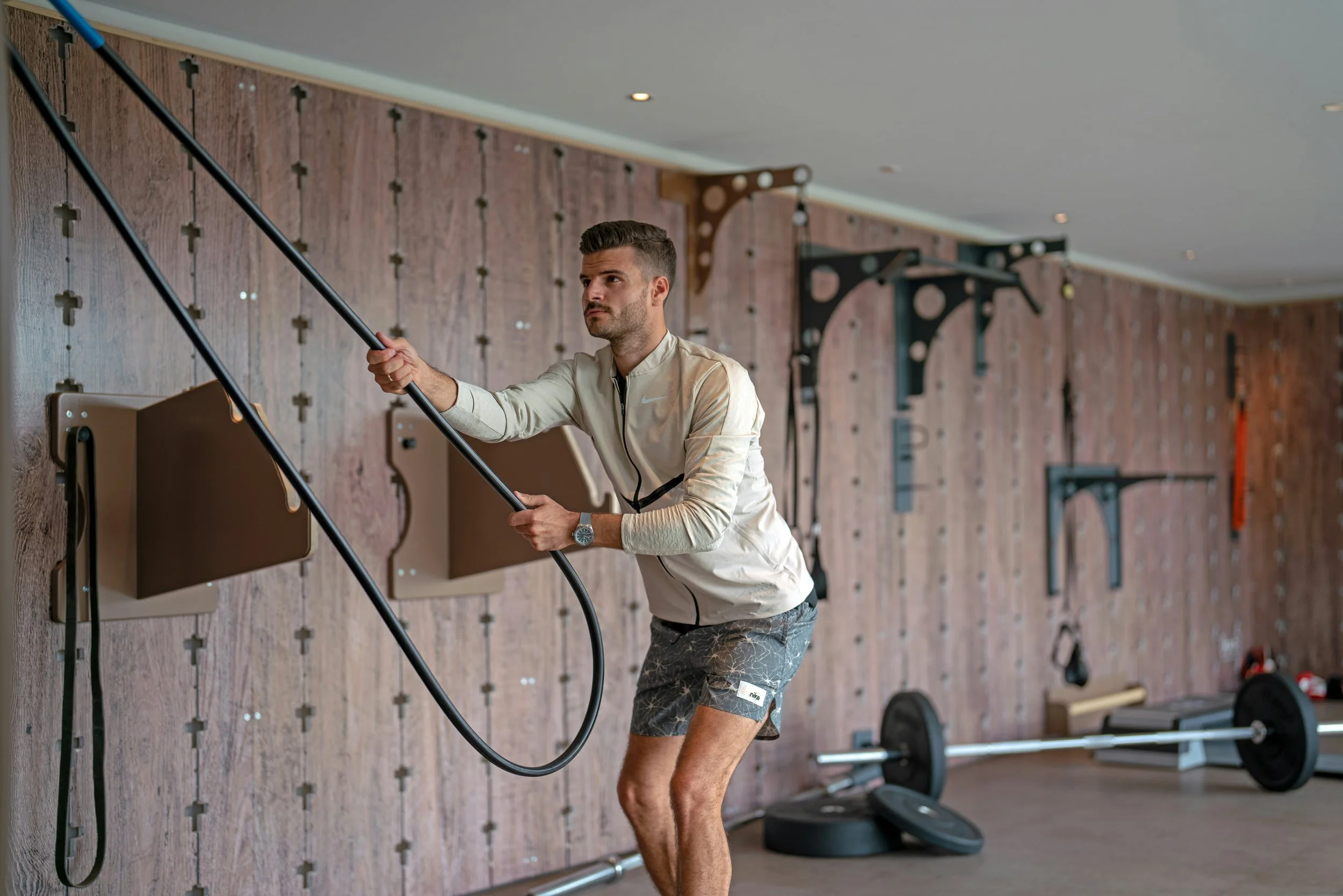
Breaking the Silence: Why Men Deserve Support for Body Image and Eating Disorders
Societal expectations to ‘man up’ or appear strong discourage men from acknowledging their struggles, let alone seeking help. It’s time to break this silence and recognize that men, too, deserve compassionate support and understanding.

Is Your Relationship with Food or Your Body Unhealthy? Signs Men Shouldn't Ignore.
For too long, body image concerns and disordered eating have been stereotyped as women's issues — but men experience these struggles at significant rates, and gay and bisexual men are at particular risk, with some research showing rates of disordered eating comparable to or exceeding those seen in women. Read on to learn what the signs actually look like in this population.