

What Supports Long-Term Health (Hint: It’s Not Weight Loss)
If you grew up in a culture steeped in diet ads, fitness challenges, and before-and-after photos, it’s no wonder your definition of health might be tied to weight. But health is far more complex than that. And when we only focus on the scale, we miss the full picture—and sometimes end up doing more harm than good.

Therapy Isn’t Neutral: Why Clients Deserve to Know Where You Stand
As a psychologist, I believe that being clear about where I stand on key issues isn’t just good practice—it’s a matter of ethics, safety, and trust. This is especially important for clients who are part of marginalized communities, many of whom are seeking therapy in direct response to ongoing political harm.
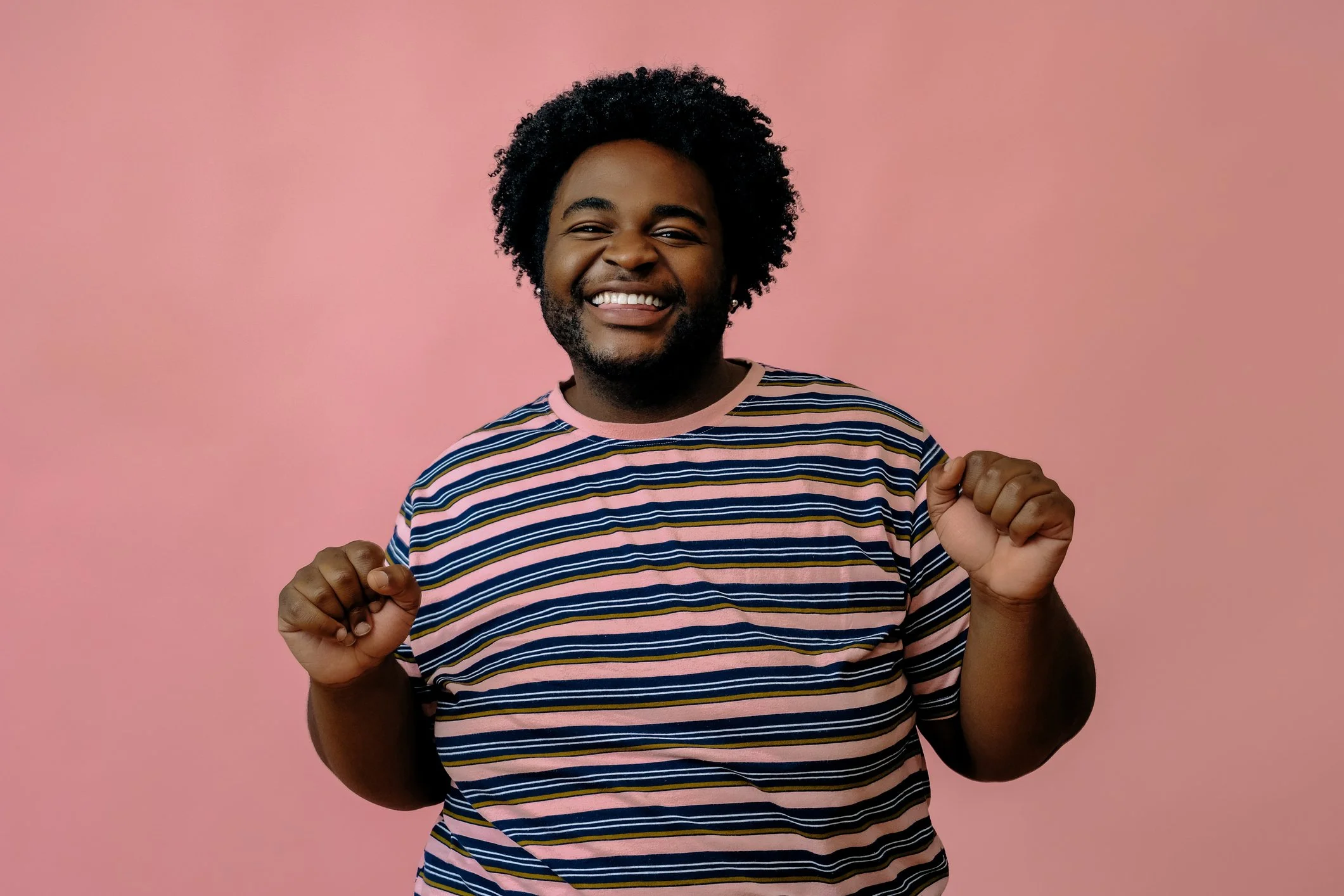
What to Expect in Weight-Inclusive Therapy
If you’ve never heard of weight-inclusive therapy—or only have a vague idea of what it means—you’re not alone. Many people assume therapy will involve a focus on weight loss or “getting healthy,” and are surprised (and sometimes relieved) to learn that some therapists take a completely different approach.

Health at Every Size (HAES®) and Therapy: Why It’s Not Anti-Health
Many people assume a Health at Every Size® approach means ignoring health altogether. In reality, HAES® is about supporting sustainable, health-promoting behaviors while rejecting weight stigma, shame, and harmful dieting. In this post, I break down what HAES® actually stands for, why it's pro-health, and what it looks like in therapy.
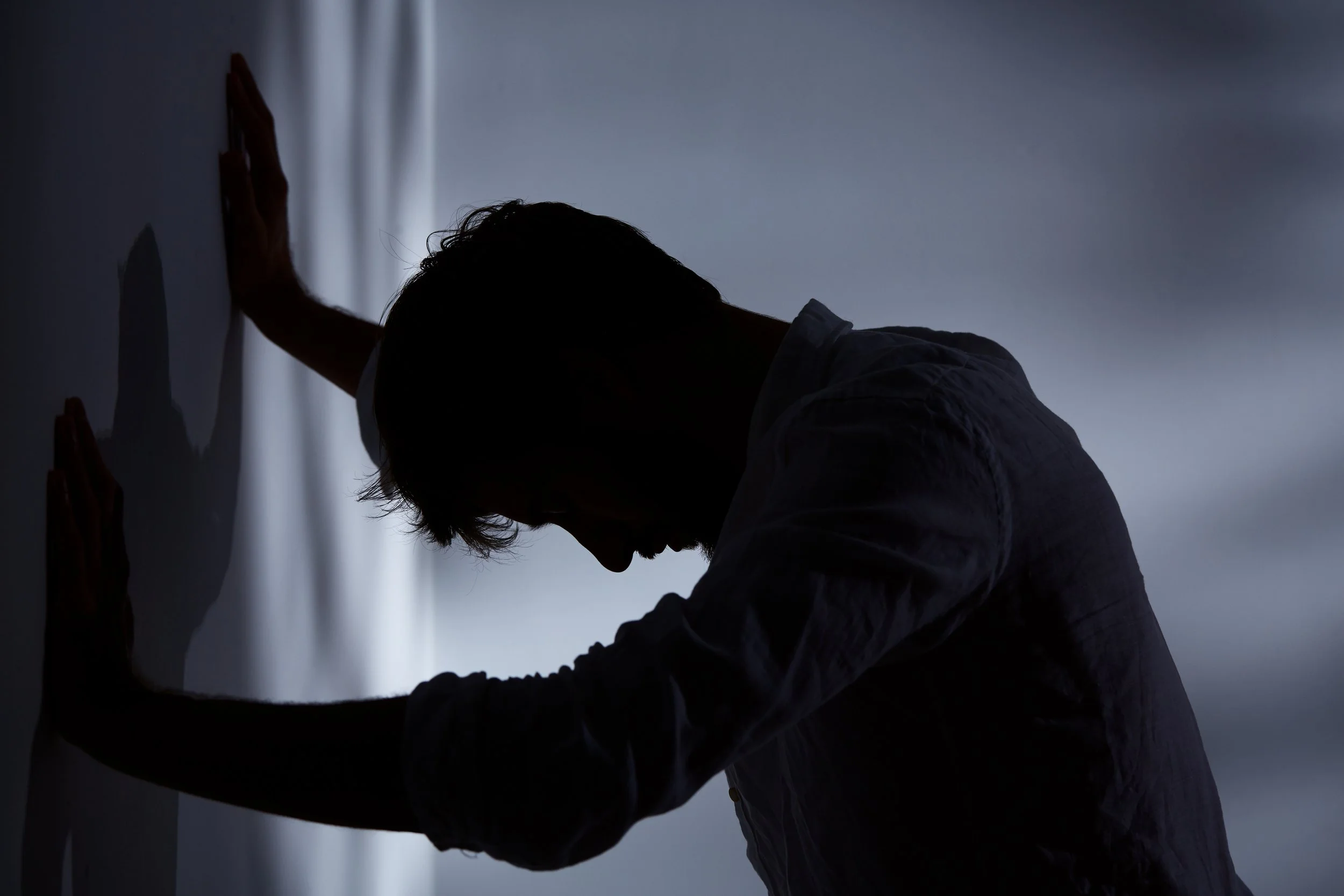
Why Understanding Your Emotions Can Make You Stronger
As men, we’re often taught to keep our emotions in check—to “man up,” stay strong, and avoid showing vulnerability. While these messages might seem like they build resilience, they often do the opposite. Ignoring or suppressing emotions can take a toll on mental health, relationships, and overall well-being.

Why Many Eating Disorder Professionals Take a Weight-Neutral, Non-Diet, and Fat-Accepting Stance
For decades, the conversation around health and weight has been shaped by a “thin equals healthy” mindset, but eating disorder professionals are increasingly challenging this narrative. More therapists and dietitians are adopting a weight-neutral, non-diet, and fat-accepting stance in their work—a shift rooted in research, compassion, and a commitment to sustainable recovery.

How Social Media Shapes Body Image in Gay Men
For gay men, social media's pressure on body image is concentrated and relentless, from Grindr grids to gay fitness influencers. Over time, it can quietly shape how you see yourself, how you eat, and how you move through the world. In this post, I explore why gay men are especially vulnerable and offer five ways to engage with social media more intentionally.

Managing Perfectionism: When High Standards Become Harmful
Perfectionism often feels like a badge of honor, especially for professionals who pride themselves on high standards and a drive for success. But when those high standards become rigid or impossible to meet, perfectionism can shift from being a motivator to a source of stress, burnout, and self-doubt.

Understanding Eating Disorders: Anorexia, Bulimia, Orthorexia, Binge Eating Disorder, OSFED, & ARFID
By learning about common eating disorders—Anorexia Nervosa, Bulimia Nervosa, Orthorexia, and Binge Eating Disorder—we can break these myths and build greater understanding and compassion. If you or someone you care about is struggling, know that help is available, and healing is possible.

LGBTQ+ Body Image: Unique Challenges and Paths to Healing
Body image struggles can look different for LGBTQ+ people. Community ideals around leanness and muscularity, pressure around gender expression, and the lingering effects of stigma can all shape how you feel in your body. Drawing on my dissertation research on body image in gay and bi men, I explore why these pressures run so deep and offer practical steps toward a kinder, more affirming relationship with your body.

Navigating Uncertainty: How LGBTQ+ Folks Can Care for Their Well-Being
For many LGBTQ+ individuals, the upcoming Trump administration may bring up feelings of fear, uncertainty, and frustration. While you may not have control over political outcomes, you do have control over how you take care of yourself and respond to these challenges.
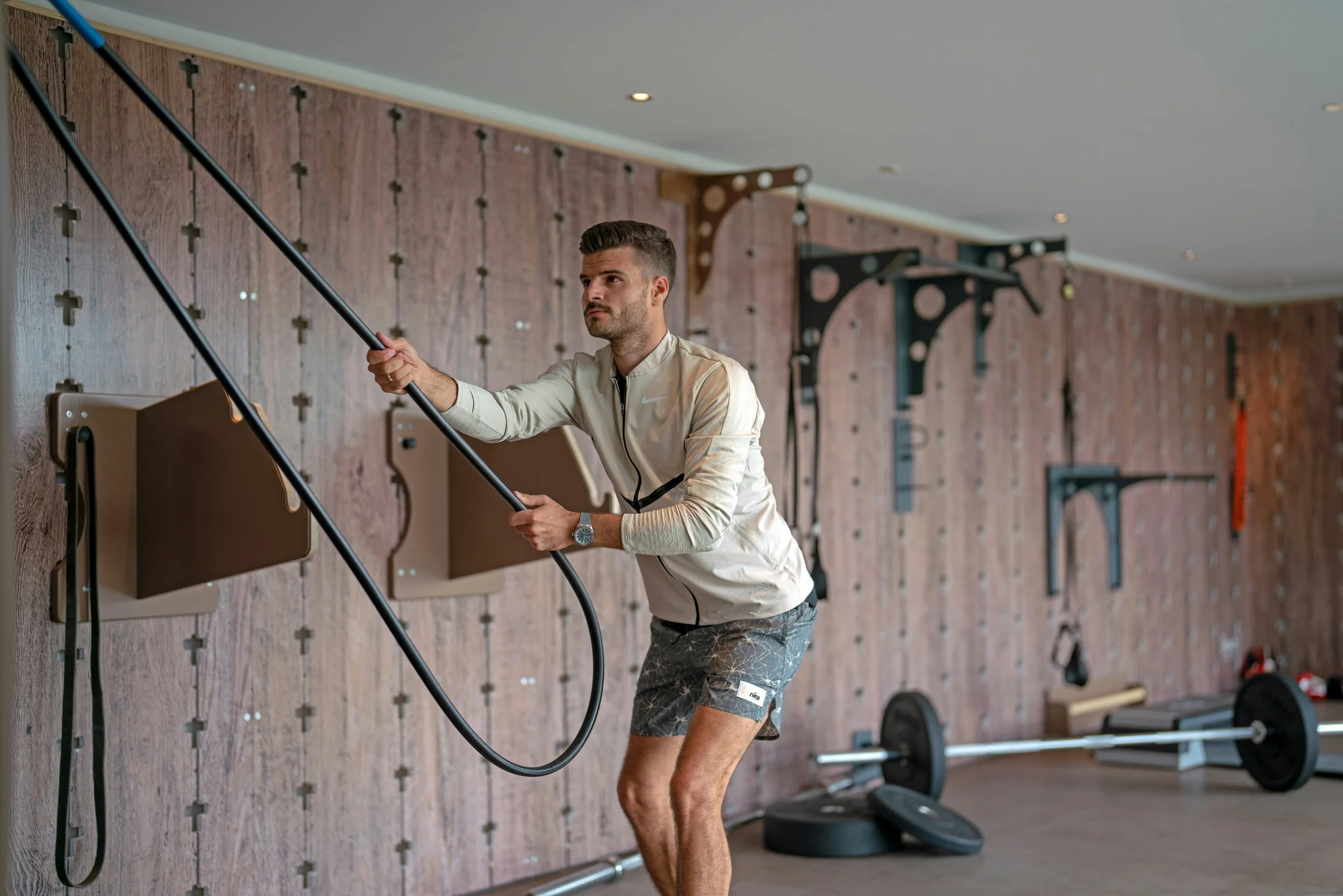
Breaking the Silence: Why Men Deserve Support for Body Image and Eating Disorders
Societal expectations to ‘man up’ or appear strong discourage men from acknowledging their struggles, let alone seeking help. It’s time to break this silence and recognize that men, too, deserve compassionate support and understanding.

Is Your Relationship with Food or Your Body Unhealthy? Signs Men Shouldn't Ignore.
For too long, body image concerns and disordered eating have been stereotyped as women's issues — but men experience these struggles at significant rates, and gay and bisexual men are at particular risk, with some research showing rates of disordered eating comparable to or exceeding those seen in women. Read on to learn what the signs actually look like in this population.