
The Anxiety You Can't Explain: Minority Stress in Gay Men
If you've always thought of yourself as "just an anxious person," I want to offer a different way to look at it. Much of the tension gay men carry isn't a personal flaw. It's a reasonable response to growing up and living in a world that hasn't always been safe. In this post, I explore minority stress, why it's so hard to see in yourself, and how to finally let your guard down.
Can gay men just be friends?
You hit it off with a guy, and somewhere between the second round and the check, there's a question hanging in the air neither of you asked out loud: is this a friendship, or something else? For a lot of gay men, that ambiguity runs deeper than dating apps, touching on old wariness around other men, anti-effeminacy pressure, and a script for platonic closeness most never got to practice. Here's where that comes from, and how to build real, brotherly friendships without the guesswork.
Hypervigilance, Anti-Effeminacy, and the Weight of Self-Monitoring
You've probably never said it out loud, but you know the feeling: catching your own voice before it goes up, adjusting a gesture before anyone sees it. That's hypervigilance, and it usually traces back to anti-effeminacy, a real and well-documented pressure most gay men carry without a name for it. Here's where it starts, what it costs, and what actually helps.
Binge Eating Disorder: What it actually looks like
Binge eating disorder is the most common eating disorder, yet it's rarely recognized in men because it doesn't match the "visibly thin" stereotype people expect. This article breaks down what BED actually looks like, why it often develops as a coping strategy for stress and difficult emotions, and the hidden cycle of restriction that usually drives it. It also covers added risk factors for gay men and neurodivergent folks. You don't need a diagnosis to recognize yourself in this, or to reach out for support.
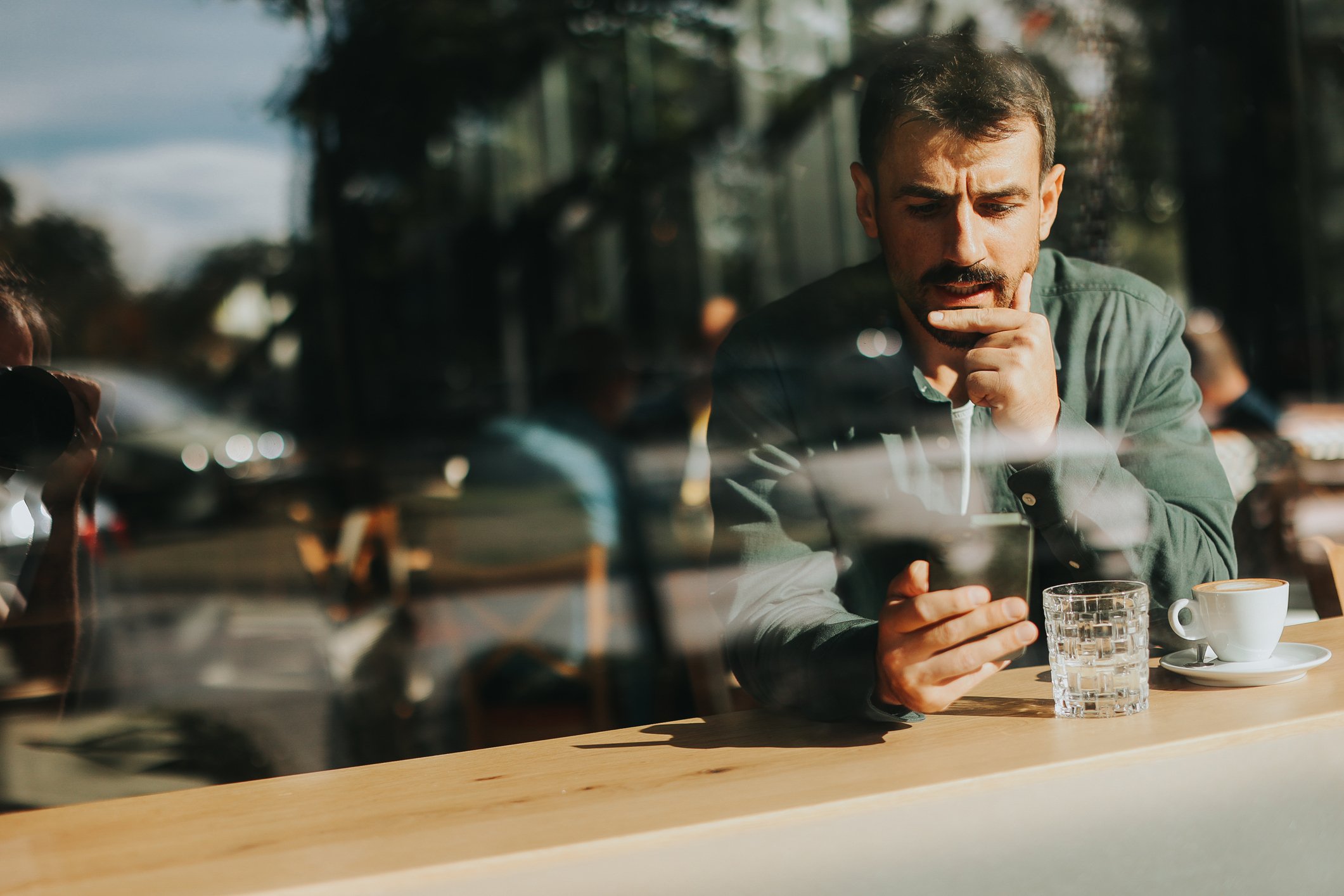
Weight Stigma in Gay Male Spaces: Where It Comes From and How to Protect Your Peace
For many gay men, weight stigma shows up everywhere: dating apps, gym culture, even jokes among friends. And because it comes from inside our own community, it can hurt even more. In this post, I explore where this pressure comes from, what it costs everyone involved, and practical ways to protect your sense of worth.
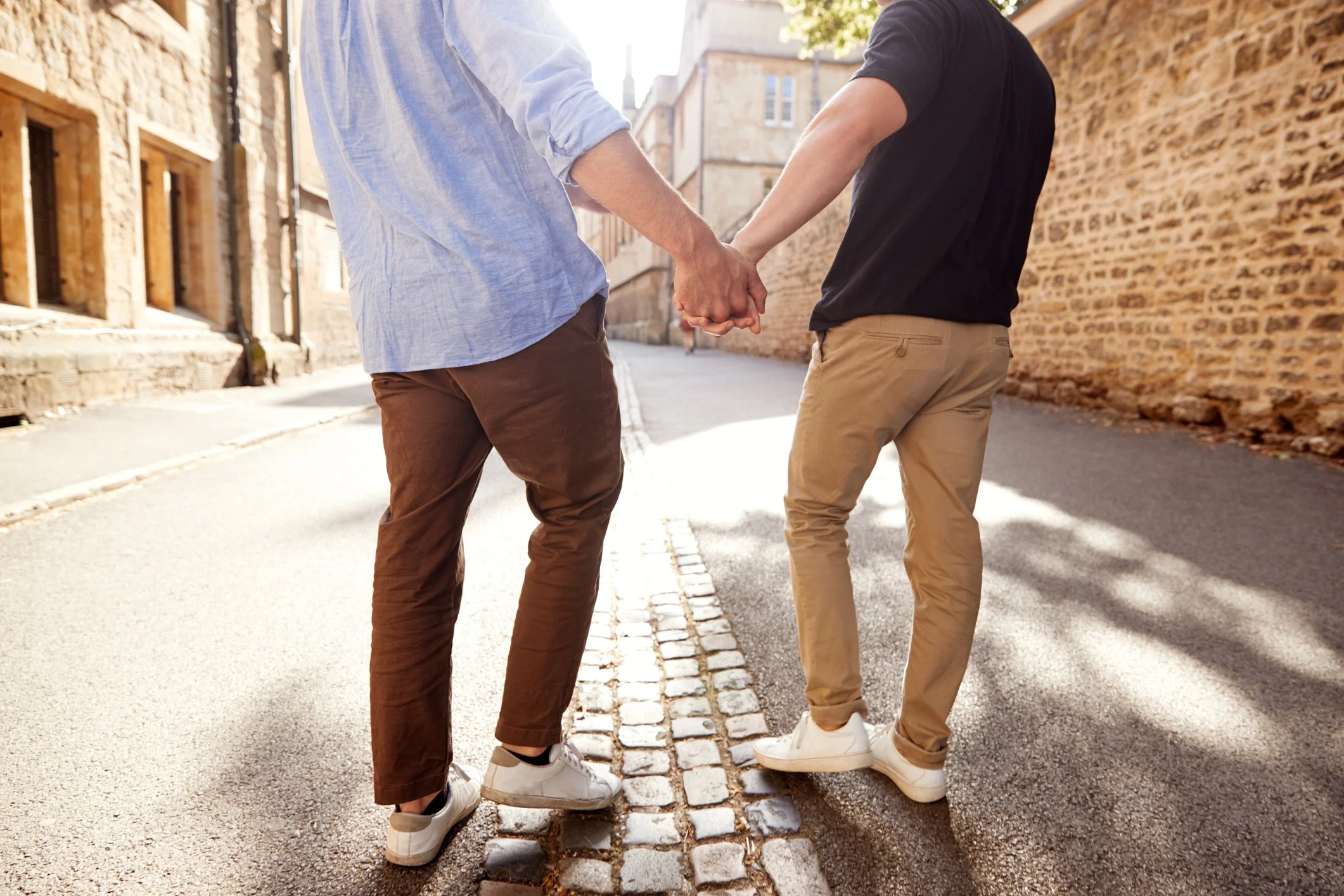
The Real Problem with Gay Dating: It's Not Just the Apps
You matched with an attractive guy on a dating app. You exchange a few messages and something feels promising. And then, almost immediately, something else kicks in. You start wondering if you're interesting and attractive enough to keep his attention.

Understanding Muscle Dysmorphia in Gay Men
There's a condition that affects gay men at disproportionate rates, shows up in gyms across every major city, and almost never gets named for what it is. Muscle dysmorphia is classified as a body dysmorphic disorder, but its relationship to disordered eating is close enough that the two are rarely separable in practice. From the outside, none of that is visible. It looks like dedication, discipline, and commitment to an active and healthy lifestyle.

Body Image and Eating Disorders in Gay Men: Why the Struggle Is Different
Body image and eating disorders affect gay men at disproportionate rates, yet the conversation rarely includes us. A gay psychologist and researcher explains why the struggle hits differently, and what it actually looks like to get support.

Pride, Memory, and Saying Their Names
This Pride Month, I’ve been spending time each morning reading stories from The AIDS Memorial—honoring the lives of LGBTQ+ people lost during the crisis of the 80s and 90s. It’s emotional and often heartbreaking, but for me, it’s a way to grieve, remember, and stay connected to the legacy I’ve inherited. Pride is a celebration—but it’s also a tribute.

Finding Safe, Affirming Spaces as a Member of the LGBT Community
With LGBTQ+ rights and DEI under attack, it’s normal to feel anxious and unsafe. These aren’t irrational fears. They’re deeply valid responses to a climate that is, in fact, hostile. And if you’re feeling anxious, angry, exhausted, or numb—you’re not overreacting. You’re reacting appropriately to a culture that keeps telling you you’re a problem to solve or a threat to neutralize.

LGBTQ+ Body Image: Unique Challenges and Paths to Healing
Body image struggles can look different for LGBTQ+ people. Community ideals around leanness and muscularity, pressure around gender expression, and the lingering effects of stigma can all shape how you feel in your body. Drawing on my dissertation research on body image in gay and bi men, I explore why these pressures run so deep and offer practical steps toward a kinder, more affirming relationship with your body.

Navigating Uncertainty: How LGBTQ+ Folks Can Care for Their Well-Being
For many LGBTQ+ individuals, the upcoming Trump administration may bring up feelings of fear, uncertainty, and frustration. While you may not have control over political outcomes, you do have control over how you take care of yourself and respond to these challenges.