

How to Talk to a Man in Your Life About His Relationship With Food & Exercise
Eating disorders in men often go unnoticed, hidden behind gym dedication, "clean" eating, and a culture that praises discipline. If you're worried about a friend, brother, partner, or son, knowing how to bring it up can feel impossible. This guide covers the warning signs that are easy to miss in men, what tends to backfire, and what actually helps. You don't need the perfect words, just a caring place to start.
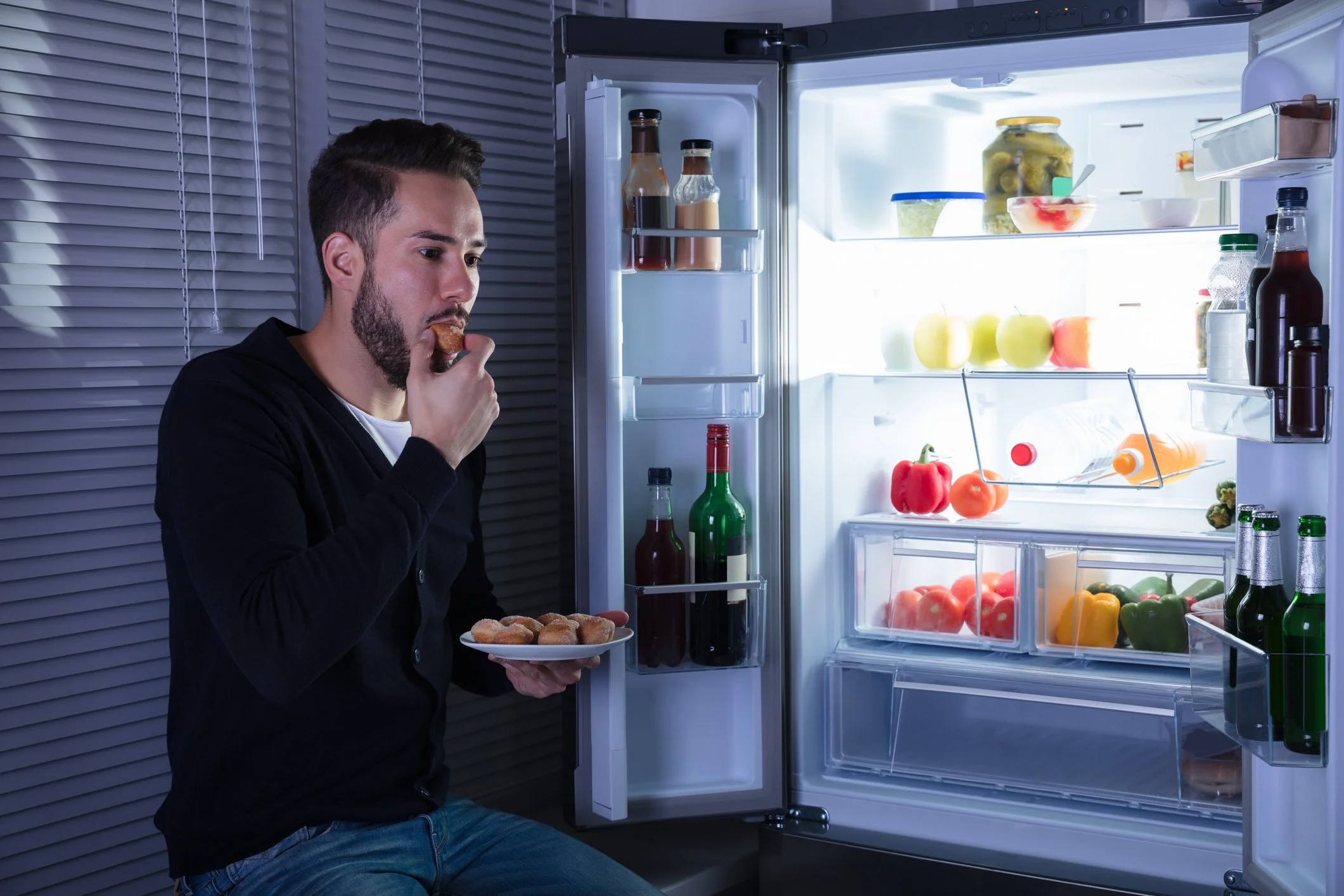
Why You Can't Stop Thinking About Food: The Restrict-Binge Cycle in Gay Men
You walk through the day "being good," then lose control around 9:30 pm, and the shame sends you right back to strict rules the next morning. This isn't a willpower problem but a predictable restrict-binge cycle, and it hits gay men especially hard. Here's how the cycle works, why food noise doesn't always quiet down even after you stop physically restricting, and what actually helps you break it.
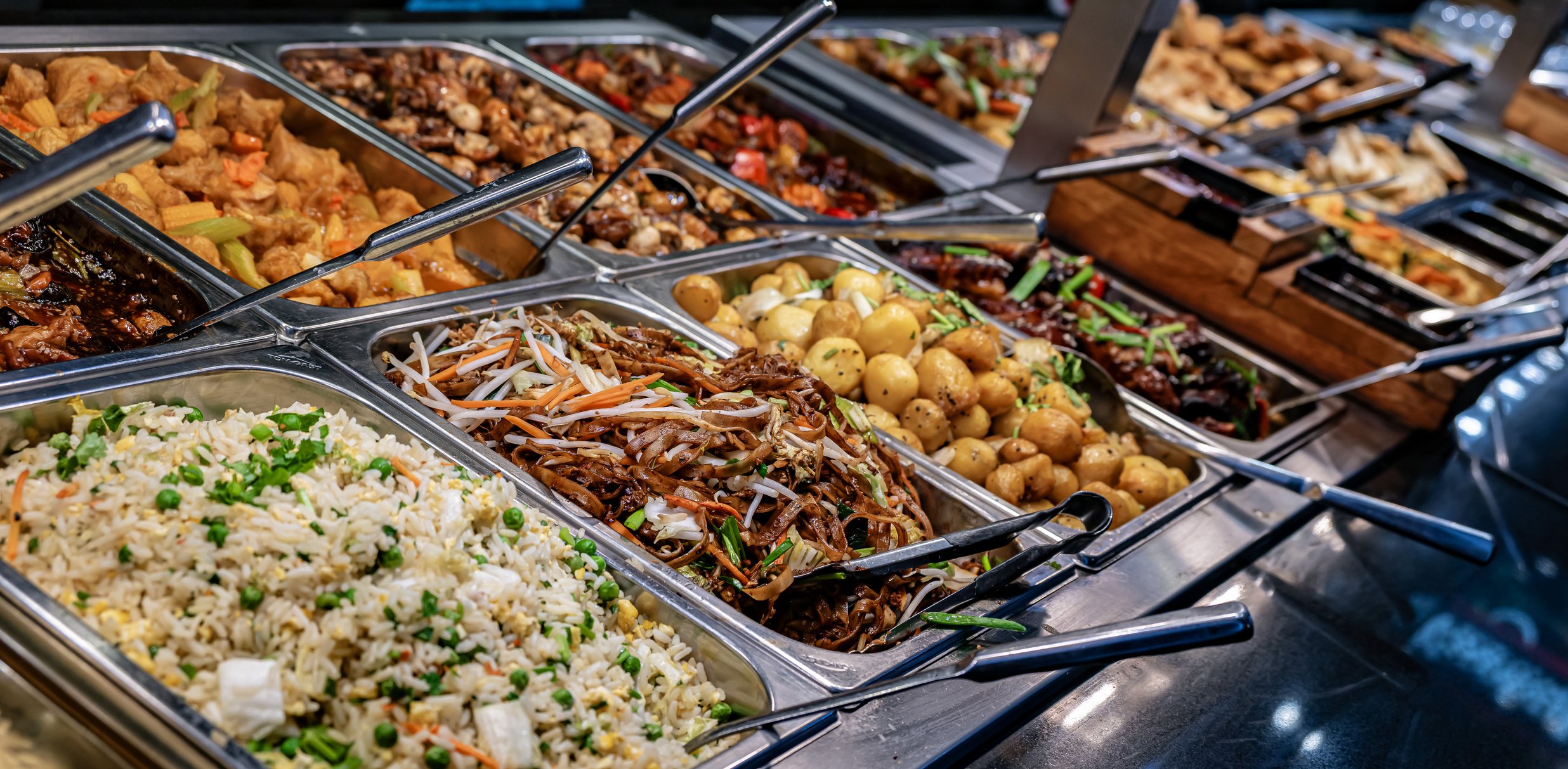
Binge Eating Disorder: What it actually looks like
Binge eating disorder is the most common eating disorder, yet it's rarely recognized in men because it doesn't match the "visibly thin" stereotype people expect. This article breaks down what BED actually looks like, why it often develops as a coping strategy for stress and difficult emotions, and the hidden cycle of restriction that usually drives it. It also covers added risk factors for gay men and neurodivergent folks. You don't need a diagnosis to recognize yourself in this, or to reach out for support.
Weight Stigma in Gay Male Spaces: Where It Comes From and How to Protect Your Peace
For many gay men, weight stigma shows up everywhere: dating apps, gym culture, even jokes among friends. And because it comes from inside our own community, it can hurt even more. In this post, I explore where this pressure comes from, what it costs everyone involved, and practical ways to protect your sense of worth.

Understanding Muscle Dysmorphia in Gay Men
There's a condition that affects gay men at disproportionate rates, shows up in gyms across every major city, and almost never gets named for what it is. Muscle dysmorphia is classified as a body dysmorphic disorder, but its relationship to disordered eating is close enough that the two are rarely separable in practice. From the outside, none of that is visible. It looks like dedication, discipline, and commitment to an active and healthy lifestyle.
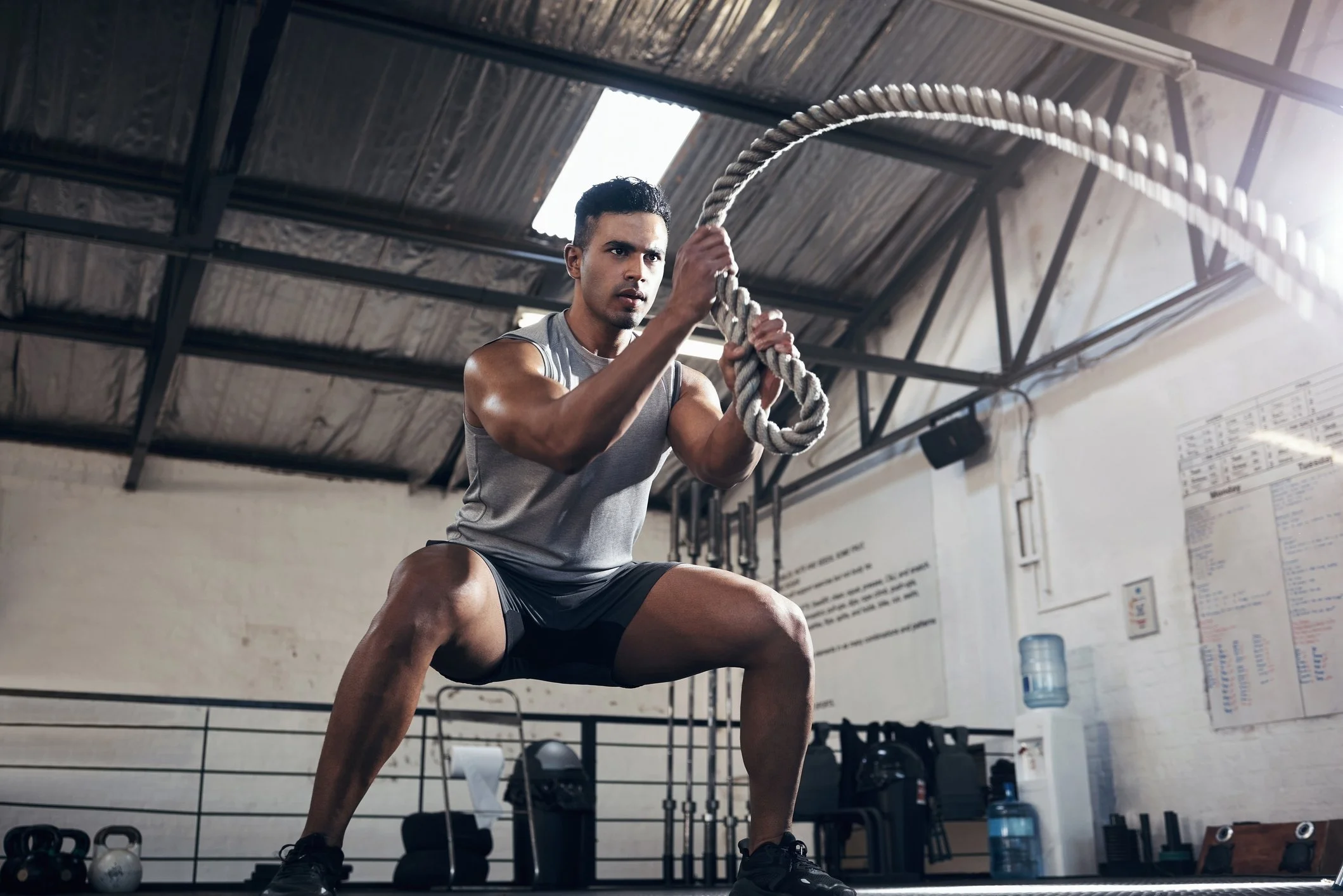
Compulsive Exercise in Gay Men: What's Really Driving It
Two men can have the exact same workout routine and be in completely different relationships with it. The clearest test isn't how often you exercise, it's what happens in your head the moment you consider skipping a day. My latest post looks at what's actually driving compulsive exercise, also known as exercise addiction, in gay men, including how fitness gets tied to belonging and desirability in the community, and what it takes to rebuild a relationship with movement that's actually yours.

Body Image and Eating Disorders in Gay Men: Why the Struggle Is Different
Body image and eating disorders affect gay men at disproportionate rates, yet the conversation rarely includes us. A gay psychologist and researcher explains why the struggle hits differently, and what it actually looks like to get support.

Signs You Might Be Struggling With Orthorexia
Orthorexia can look like discipline, health, and self-control on the surface. But when food rules become rigid, anxiety rises around flexibility, and self-worth starts to hinge on eating “perfectly,” something deeper may be happening. This article explores the signs of orthorexia, especially in high-achieving men who pride themselves on discipline and optimization.

Recognizing Disordered Eating During the Holidays - And How to Take Care of Yourself
The holidays can be a mix of anticipation, connection, stress, and pressure. Between family gatherings, social events, and food-centric traditions, it’s common for old patterns around eating and body image to resurface. For many men, these patterns stay quiet most of the year but come forward during the holiday season, when expectations around food, appearance, and “indulgence” are louder than usual.

Body Shame in Gay Men: Where It Comes From and How to Heal
For many gay men, body shame quietly shapes everyday decisions: whether you go to the pool, answer that message, or let someone really see you. It builds from early messages, gay community beauty standards, dating apps, and social media until it sounds like your own voice. In this post, I explore where body shame comes from and realistic ways to start loosening its grip.

Body Image Anxiety in Summer: What Gay Men Need to Hear
As the temperature rises, so does the pressure to "look good. You might feel it creeping in when you swap out jeans for shorts or get an invitation to a beach day. Suddenly, the thoughts come flooding in: I should get back to the gym. I need to cut back. I don't look like I used to. I don't look like him. If this sounds familiar, you’re not alone.

How Social Media Shapes Body Image in Gay Men
For gay men, social media's pressure on body image is concentrated and relentless, from Grindr grids to gay fitness influencers. Over time, it can quietly shape how you see yourself, how you eat, and how you move through the world. In this post, I explore why gay men are especially vulnerable and offer five ways to engage with social media more intentionally.

Understanding Eating Disorders: Anorexia, Bulimia, Orthorexia, Binge Eating Disorder, OSFED, & ARFID
By learning about common eating disorders—Anorexia Nervosa, Bulimia Nervosa, Orthorexia, and Binge Eating Disorder—we can break these myths and build greater understanding and compassion. If you or someone you care about is struggling, know that help is available, and healing is possible.

LGBTQ+ Body Image: Unique Challenges and Paths to Healing
Body image struggles can look different for LGBTQ+ people. Community ideals around leanness and muscularity, pressure around gender expression, and the lingering effects of stigma can all shape how you feel in your body. Drawing on my dissertation research on body image in gay and bi men, I explore why these pressures run so deep and offer practical steps toward a kinder, more affirming relationship with your body.
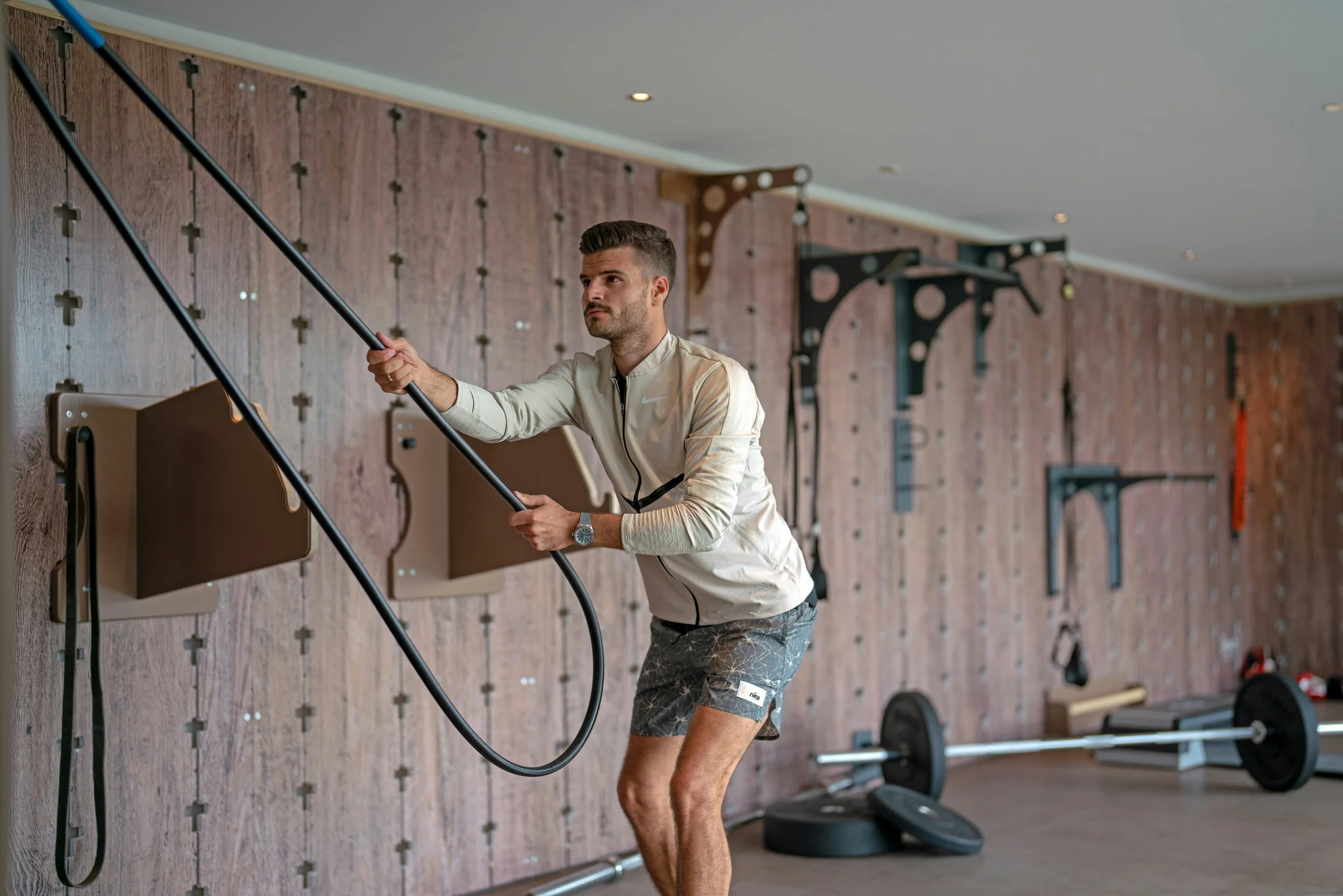
Breaking the Silence: Why Men Deserve Support for Body Image and Eating Disorders
Societal expectations to ‘man up’ or appear strong discourage men from acknowledging their struggles, let alone seeking help. It’s time to break this silence and recognize that men, too, deserve compassionate support and understanding.

Is Your Relationship with Food or Your Body Unhealthy? Signs Men Shouldn't Ignore.
For too long, body image concerns and disordered eating have been stereotyped as women's issues — but men experience these struggles at significant rates, and gay and bisexual men are at particular risk, with some research showing rates of disordered eating comparable to or exceeding those seen in women. Read on to learn what the signs actually look like in this population.